WordPress Plugin Supply Chain Security 2026: The Silent Orchestrators
In 2026, understanding WordPress plugin supply chain security 2026 remains more critical than ever for the millions of websites powered by WordPress. Plugins are the backbone of WordPress's unparalleled versatility, extending functionality from e-commerce to SEO and virtually everything in between. However, this power comes with inherent risks, particularly concerning how these silent orchestrators dictate third-party dependency loading and the overall supply chain integrity. As cyber threats evolve, a robust approach to WordPress plugin supply chain security 2026 is paramount to protect digital assets.
Understanding the WordPress Plugin Supply Chain in 2026
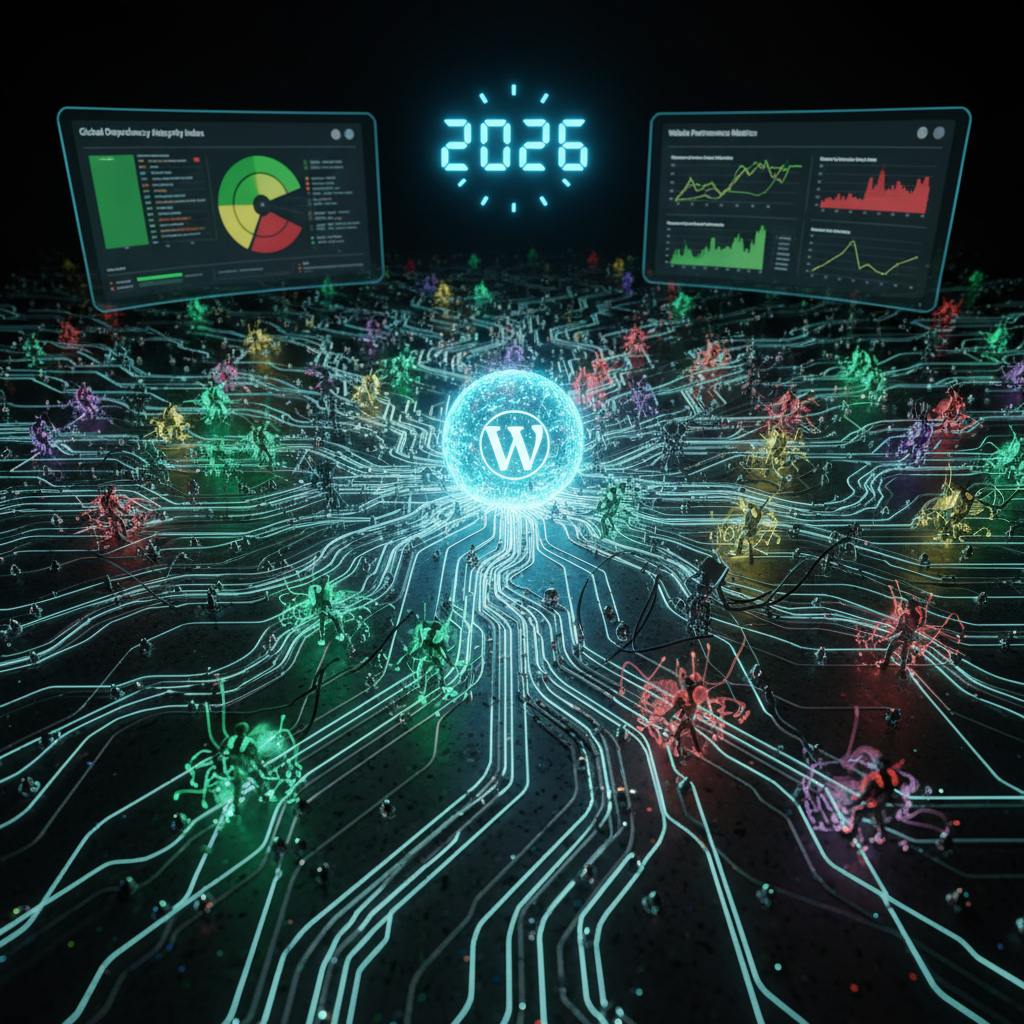
The supply chain for a WordPress website begins with the core platform, but it quickly expands through themes and, most significantly, plugins. Each plugin, whether free or premium, often relies on its own set of third-party libraries, frameworks, and APIs. This intricate web of dependencies creates a complex supply chain, where a vulnerability in one component can reverberate across numerous websites.
For site administrators, the sheer volume of available plugins (over 60,000 in the official directory alone) makes thorough vetting a daunting task. This is why a proactive strategy for WordPress plugin supply chain security 2026 is no longer just a recommendation but a necessity.
The Anatomy of Plugin Dependencies
- Direct Dependencies: These are libraries or code packages explicitly included by the plugin developer within their plugin's codebase. Examples include popular JavaScript frameworks like jQuery (often bundled) or PHP libraries.
- Indirect (Transitive) Dependencies: These are dependencies of your plugin's direct dependencies. This layer often goes unnoticed but can introduce significant risk. If a directly included library has a vulnerability, and that library itself relies on another vulnerable library, the attack surface expands.
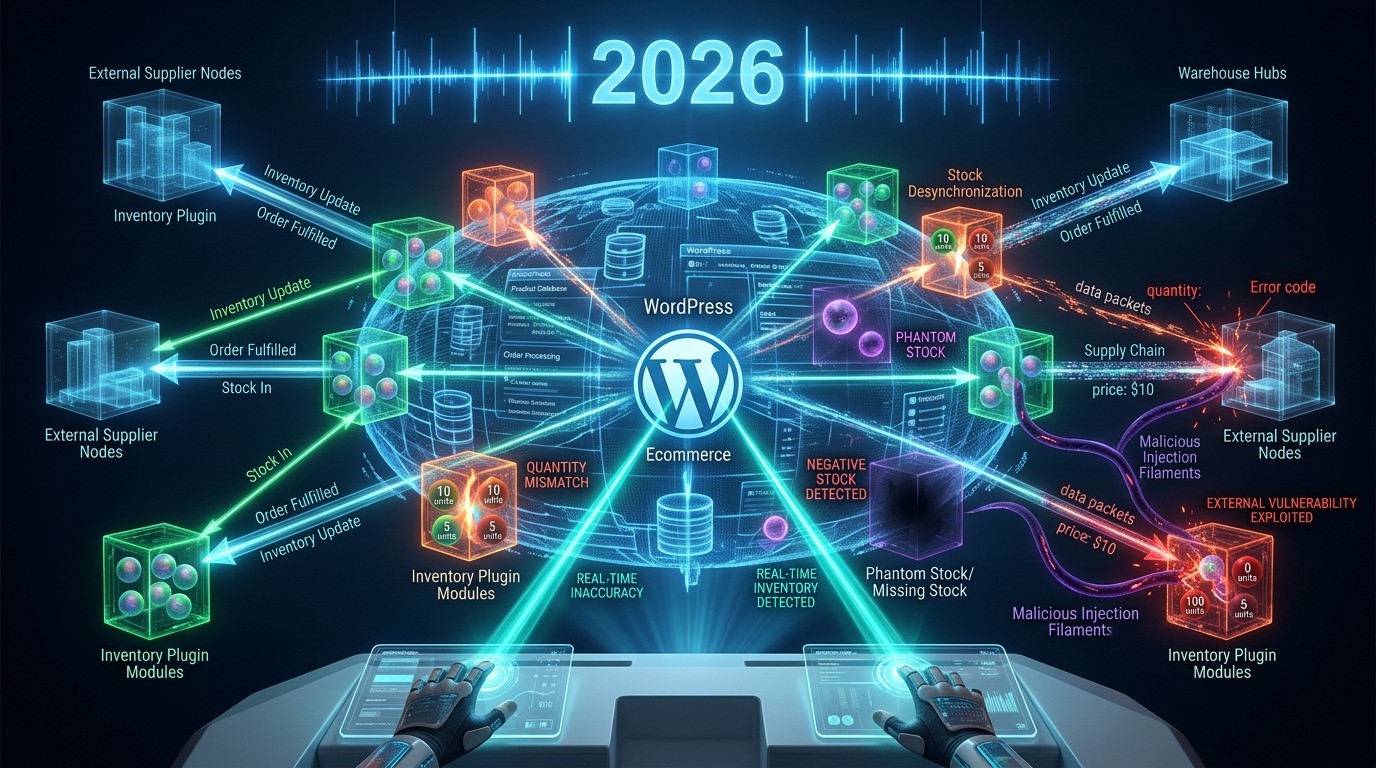
- External APIs and Services: Many plugins integrate with third-party services like payment gateways, email marketing platforms, or analytics providers. The security of these external endpoints directly impacts the plugin and, by extension, your website's security.
Common Threats to WordPress Plugin Supply Chain Security 2026
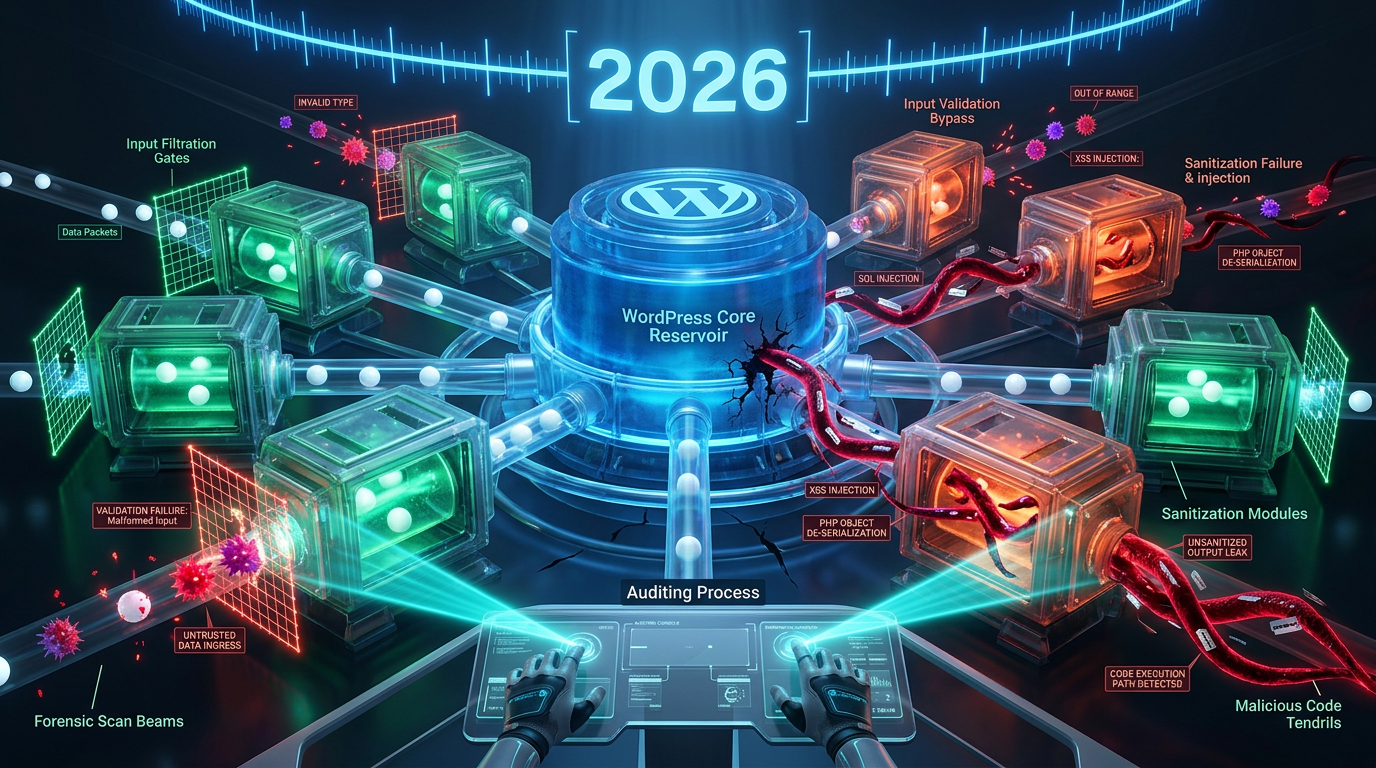
The digital landscape of 2026 presents a sophisticated array of threats targeting WordPress plugin ecosystems. Attackers increasingly recognize that compromising a widely used plugin or one of its dependencies can grant access to thousands, if not millions, of websites. This makes the supply chain an attractive target.
Maintaining strong WordPress plugin supply chain security 2026 involves understanding and mitigating these prevalent risks. Ignoring these can lead to data breaches, website defacement, or complete compromise.
Outdated Code and Insecure Configurations
One of the most persistent threats stems from outdated plugin code. Developers often release updates that patch security vulnerabilities, but users frequently delay applying these updates. Similarly, insecure default configurations, or users failing to properly configure plugins, create significant entry points for attackers. This is a perpetual challenge in managing WordPress security.
Excessive Permissions and Vulnerabilities in Third-Party Libraries
- Excessive Permissions: Some plugins request broader permissions than are strictly necessary for their functionality. This 'least privilege' violation can be exploited if the plugin is compromised, allowing attackers to perform actions beyond the plugin's intended scope.
- Vulnerabilities in Third-Party Libraries: As discussed, plugins frequently bundle or link to external libraries. A known vulnerability in a commonly used library can instantly affect countless plugins and, consequently, countless WordPress sites. Regular scanning for known CVEs in bundled libraries is crucial for robust security.
- Malicious Code Injection (Software Supply Chain Attacks): This is arguably one of the most insidious threats. Attackers may inject malicious code directly into a plugin's repository before it's distributed, or compromise the build process. This happened with a significant incident in late 2025, highlighting the need for vigilance. For a deeper dive into preventing such attacks, explore topics like demystifying WordPress plugin privilege escalation.
Best Practices for Enhancing WordPress Plugin Supply Chain Security 2026
To navigate the complexities of WordPress plugin supply chain security 2026 effectively, a multi-faceted approach involving both automated tools and manual oversight is essential. Proactive measures can drastically reduce the risk profile of any WordPress installation.
Plugin Vetting and Selection
Before installing any plugin, thorough vetting is crucial. Look for plugins with a strong reputation, frequent updates, and positive reviews, particularly those that comment on security. Check the developer's history and responsiveness to security reports.
Key considerations include:
- Developer Reputation: Does the developer have a track record of security-conscious development?
- Update Frequency: Regularly updated plugins are often a sign of active maintenance and quicker patching of vulnerabilities.
- Security Audits: Has the plugin undergone independent security audits? Some premium plugins boast this, but it's rare for free ones.
- Permission Review: Does the plugin request reasonable permissions for its functionality?
Regular Updates, Scanning, and Monitoring
Keeping WordPress core, themes, and all plugins updated to their latest versions is the single most important security measure. Updates often include critical security patches. Beyond updates, continuous monitoring is vital:
- Automated Security Scanners: Utilize reputable WordPress security plugins that can scan for known vulnerabilities (CVEs), malware, and file integrity changes.
- Dependency Scanners: While less common for the average user, advanced users and larger organizations might employ tools to scan for known vulnerabilities within third-party libraries bundled with plugins.
- Log Monitoring: Regularly review access and error logs for suspicious activity.
- Web Application Firewalls (WAFs): A WAF can provide an additional layer of protection by filtering malicious traffic before it reaches your WordPress site, mitigating many common attack vectors against plugins.
The Future Landscape of WordPress Plugin Supply Chain Security 2026
Looking ahead in 2026, we anticipate several advancements and shifts in how WordPress plugin supply chain security 2026 is approached. The community and commercial entities are investing more in creating a safer ecosystem.
Emerging Technologies and Standards
- WP-CLI for Dependency Management: Increased integration of tools like WP-CLI for better managing plugin dependencies, allowing developers to list and manage external libraries more transparently.
- Automated Code Analysis in Repositories: Enhanced automated code analysis as part of the plugin submission process to the official WordPress repository, catching potential vulnerabilities or problematic dependencies earlier.
- Software Bill of Materials (SBOMs): While not yet widespread in the general WordPress plugin ecosystem, the concept of a "Software Bill of Materials" for plugins is gaining traction. This would provide a detailed inventory of all components (including third-party libraries) used within a plugin. This transparency would significantly aid in assessing risk. You can learn more about SBOMs and their importance in broader software security contexts at the CISA SBOM Exchange.
The Role of the Community and Developers
The strength of WordPress lies in its vibrant open-source community. Developers play a crucial role in improving supply chain security by adhering to secure coding practices, conducting thorough testing, and responsibly disclosing vulnerabilities.
Users must also play their part by reporting bugs and security issues responsibly, and proactively updating their installations. The collective effort is what ultimately bolsters WordPress plugin supply chain security 2026 against evolving threats. For example, understanding the intricacies of source code analysis tools can be beneficial for both developers and diligent users.
Conclusion: Fortifying Your WordPress Defenses in 2026
The intricate web of third-party dependencies within WordPress plugins represents both a powerful advantage and a significant security challenge. As we navigate 2026, maintaining robust WordPress plugin supply chain security 2026 is not an option but a critical responsibility for every website owner and administrator. By adopting vigilant practices in plugin selection, configuration, regular updates, and continuous monitoring, you can significantly mitigate the risks posed by this complex supply chain.
Embrace the best practices outlined here to ensure your WordPress site remains secure, stable, and performing at its best against the backdrop of an ever-changing threat landscape. Protecting your digital future starts with understanding and securing every link in your WordPress plugin supply chain.
Frequently Asked Questions

Written by Aras Akıncılar
Uzun yıllara dayanan WordPress deneyimine sahip bir siber güvenlik uzmanı olarak, eklenti ekosisteminin derinlemesine analizine odaklanıyorum. Güvenlik açıkları, performans düşüşleri ve uyumluluk sorunları üzerine hazırladığım makalelerle, WordPress kullanıcılarının sitelerini daha güvenli ve verimli hale getirmelerine yardımcı olmayı hedefliyorum.