Unveiling the Dynamics of WordPress Plugin User Behavior
In the rapidly evolving digital landscape of 2026, understanding WordPress plugin user behavior has become more crucial than ever. Plugins are the lifeblood of countless websites, extending functionality and shaping the user experience in profound ways. This article will delve deep into how these digital tools influence user expectations, cultivate digital habits, and remodel the very fabric of how individuals interact with WordPress sites. From installation trends to long-term engagement patterns, we'll explore the multifaceted impact of plugins on users. To learn more about this transformative power, consider our in-depth analysis on The Silent Alchemists: How WordPress Plugins Remodel User Expectations & Build Digital Habits in 2026.
The Evolving Landscape of WordPress Plugin User Behavior
The WordPress ecosystem is a dynamic arena, constantly adapting to new technological advancements and user demands. In 2026, we observe significant shifts in how users approach, utilize, and retain plugins. This evolution is driven by several factors, including increased awareness of performance, security concerns, and a greater expectation for seamless integration. Understanding these shifts is key to analyzing WordPress plugin user behavior effectively.
Users are no longer simply looking for functionality; they're seeking refined experiences, robust security, and plugins that truly understand their needs. This discerning approach fundamentally alters the traditional patterns of WordPress plugin user behavior, urging developers to prioritize quality and user-centric design.
Key Drivers Shaping Plugin Adoption in 2026
- Security Consciousness: With cyber threats on the rise, users are more vigilant about the security posture of plugins. Trust badges, regular updates, and positive security audits significantly influence adoption rates. For further reading on plugin security, explore topics like The Silent Gatekeepers: Unmasking Hidden Backdoors in WordPress Plugin File System Access (2026).
- Performance Expectations: Slow-loading websites are a major deterrent. Users are increasingly selecting plugins that are lightweight and optimized, ensuring their site remains fast and responsive.
- User Experience (UX) Design: Intuitive interfaces and seamless integration with existing themes and plugins are paramount. A poorly designed plugin, regardless of its features, often leads to abandonment.
- AI Integration: Plugins leveraging AI for tasks like content generation, SEO optimization, and customer service are gaining significant traction, reflecting a growing user desire for automation and intelligence.
Analyzing the Impact of Plugins on Digital Habits and User Expectations
Plugins don't just add features; they fundamentally alter the way users interact with their WordPress sites and, by extension, the web. They can introduce new workflows, automate mundane tasks, and even redefine what's possible for a non-developer to achieve. This influence directly shapes digital habits and elevates user expectations, impacting overall WordPress plugin user behavior.
For instance, a powerful page builder plugin can empower users to create stunning designs without coding, leading to an expectation that all website creation should be this effortless. Similarly, advanced SEO plugins can instill a habit of constantly monitoring site performance and optimizing content. The way plugins dictate backend workflows is also critical, as explored in The Silent Orchestrators: How WordPress Plugins Dictate Backend Workflow Automation & Business Logic in 2026.
How Plugins Sculpt User Workflows
Every plugin, from a simple contact form to a complex e-commerce solution, introduces a specific workflow. These workflows, when efficient and intuitive, can become deeply ingrained digital habits. Users begin to expect consistency and seamless transitions between different functionalities, influencing their overall perception of the WordPress platform.
- Automation and Efficiency: Plugins that automate backups, security scans, or content scheduling foster habits of efficiency, freeing up user time for other tasks.
- Content Creation and Management: Advanced editors and media management tools encourage more sophisticated content strategies and better organization. For insights into how plugins influence authorship, see The Silent Narrators: How WordPress Plugins Shape Content Authorship & Attribution in 2026.
- Visitor Engagement: Plugins for comments, social sharing, and contact forms create habitual interaction loops for website visitors, impacting overall engagement metrics.
Potential Risks and Their Influence on WordPress Plugin User Behavior
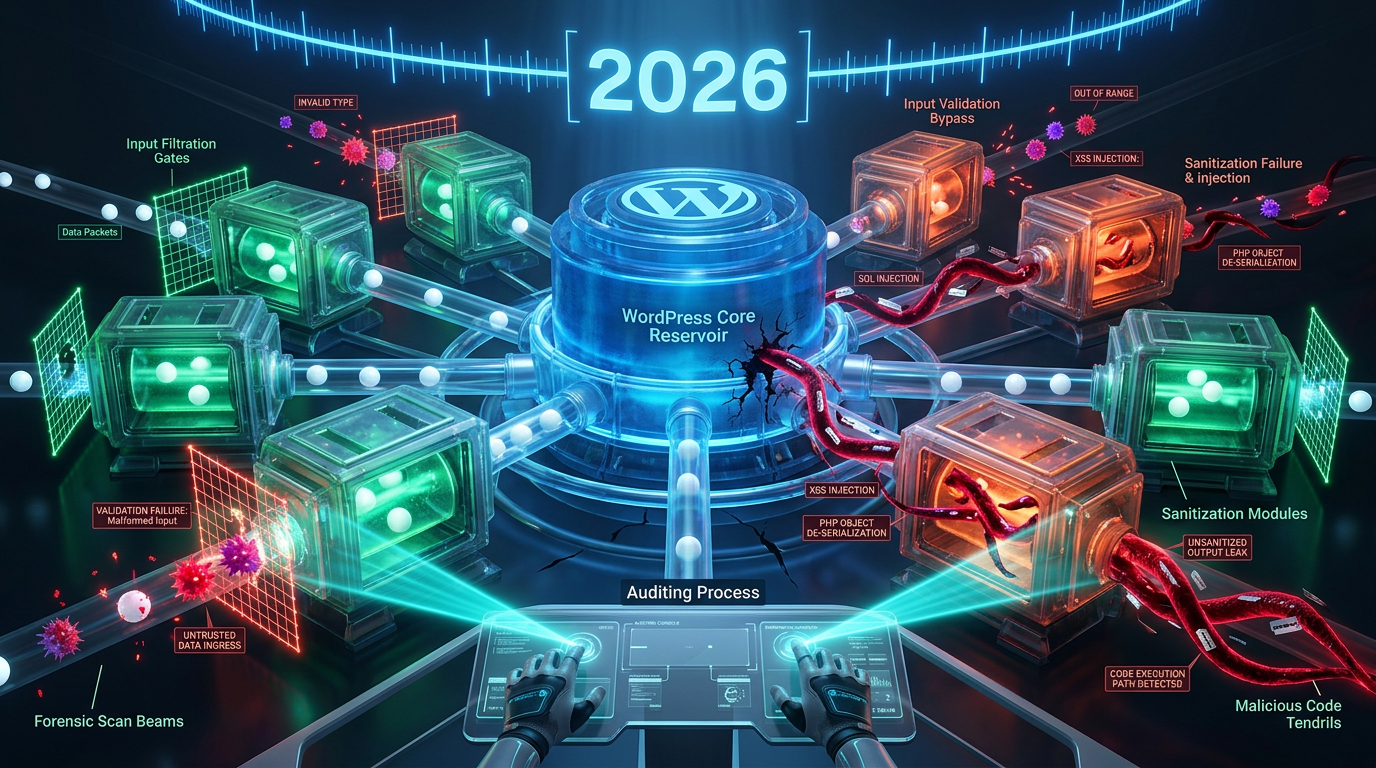
While plugins offer immense benefits, they also introduce potential risks that significantly impact WordPress plugin user behavior. Awareness of these risks – such as security vulnerabilities, performance degradation, and compatibility issues – influences user decisions more than ever in 2026. Informed users are proactively seeking solutions that mitigate these dangers.
For example, a series of high-profile security breaches linked to outdated plugins can lead to a surge in uninstalls or a greater demand for plugins with robust security update policies. This reactive and proactive change in behavior underscores the importance of plugin developers prioritizing security and stability. The discussion around OWASP Top 10 vulnerabilities remains highly relevant for plugin security in 2026.
Common Plugin-Related Threats and User Response
- Outdated Code: Plugins that are not regularly updated pose significant security risks. Users are increasingly scrutinizing update frequencies before installation. This often ties into The Silent Geologists: Unearthing Latent Technical Debt in WordPress Plugins (2026).
- Insecure Configurations: Default insecure settings can leave websites vulnerable. Educated users are often looking for plugins with secure default settings and clear configuration guidelines.
- Excessive Permissions: Plugins requesting unnecessary access can be a red flag. Users are becoming more cautious about granting wide-ranging permissions. For a deeper dive, read The Silent Alchemists: How WordPress Plugins Are Remodeling User Permissions & Privilege Elevation in 2026.
- Third-Party Dependencies: Relying on external libraries can introduce vulnerabilities. Users evaluate the reputation and security practices of these dependencies. Understanding The Silent Conductors: How WordPress Plugins Dictate Third-Party Dependency Loading & Supply Chain Integrity in 2026 is crucial.
- Compatibility Problems: Conflicts with other plugins or themes can break a website. Users appreciate plugins that clearly state their compatibility and offer good support.
These risks are not merely theoretical; they have real-world consequences, leading to potential data loss, website downtime, and reputational damage. Consequently, users are becoming more discerning, opting for plugins with strong track records, active development teams, and transparent security practices. This trend is a major factor shaping current WordPress plugin user behavior. For general best practices in website security, resources like the CISA Cybersecurity Best Practices offer valuable insights.
Best Practices for Nurturing Positive Plugin User Behavior
To foster positive WordPress plugin user behavior, both developers and site administrators have critical roles to play. Developers must prioritize secure coding, regular updates, and clear documentation. Site administrators, in turn, must adopt a proactive approach to plugin management, including careful selection, regular monitoring, and timely updates.
Building trust and ensuring a stable, high-performing website environment are key to encouraging sustained and beneficial plugin usage. This symbiotic relationship between developers providing quality and users making informed choices is vital for the health of the WordPress ecosystem in 2026.
Strategies for Developers
- Prioritize Security by Design: Integrate security considerations from the initial development phase, not as an afterthought. Regular security audits are essential.
- Maintain Consistent Updates: Release regular updates to fix bugs, address security vulnerabilities, and ensure compatibility with the latest WordPress versions.
- Provide Clear Documentation: Offer comprehensive and easy-to-understand documentation that covers installation, configuration, and troubleshooting.
- Offer Excellent Support: Responsive and helpful customer support can significantly improve user satisfaction and retention.
- User-Friendly Design: Focus on intuitive interfaces and seamless integration to enhance the overall user experience.
Strategies for Site Administrators
- Research Thoroughly: Before installing any plugin, research its reputation, reviews, and update history.
- Limit Plugin Count: Avoid installing unnecessary plugins to reduce potential conflicts and performance issues.
- Regularly Update Plugins: Keep all plugins updated to their latest versions to patch vulnerabilities and ensure optimal performance.
- Perform Backups: Regularly back up your website before making any major changes or installing new plugins.
- Monitor Performance: Use tools to monitor your website's performance and identify any plugin-related slowdowns.
By adhering to these best practices, both ends of the spectrum can collectively contribute to a more secure, efficient, and user-friendly WordPress environment. This collaborative effort directly influences the quality and predictability of WordPress plugin user behavior in the long run.
The Future of WordPress Plugin User Behavior in 2026 and Beyond
Looking ahead, the trends in WordPress plugin user behavior suggest a continued drive towards sophistication, security, and personalized experiences. Artificial intelligence and machine learning are poised to play an even larger role, automating more complex tasks and offering predictive functionalities within plugins. Users will increasingly expect plugins to be not just functional, but intelligent and adaptive.
The emphasis on privacy and data protection will also intensify, requiring plugin developers to be even more transparent about data handling practices. As WordPress continues to power a significant portion of the web, understanding and anticipating these shifts in user behavior will be paramount for sustained innovation and growth within its vibrant plugin ecosystem.
The year 2026 is merely a stepping stone in this continuous evolution. Developers who prioritize security, performance, and genuine user value will be the ones that shape the future of digital habits established through WordPress plugins.
Frequently Asked Questions

Written by Aras Akıncılar
Uzun yıllara dayanan WordPress deneyimine sahip bir siber güvenlik uzmanı olarak, eklenti ekosisteminin derinlemesine analizine odaklanıyorum. Güvenlik açıkları, performans düşüşleri ve uyumluluk sorunları üzerine hazırladığım makalelerle, WordPress kullanıcılarının sitelerini daha güvenli ve verimli hale getirmelerine yardımcı olmayı hedefliyorum.