WordPress Plugin Theme Interaction: Shaping Design in 2026
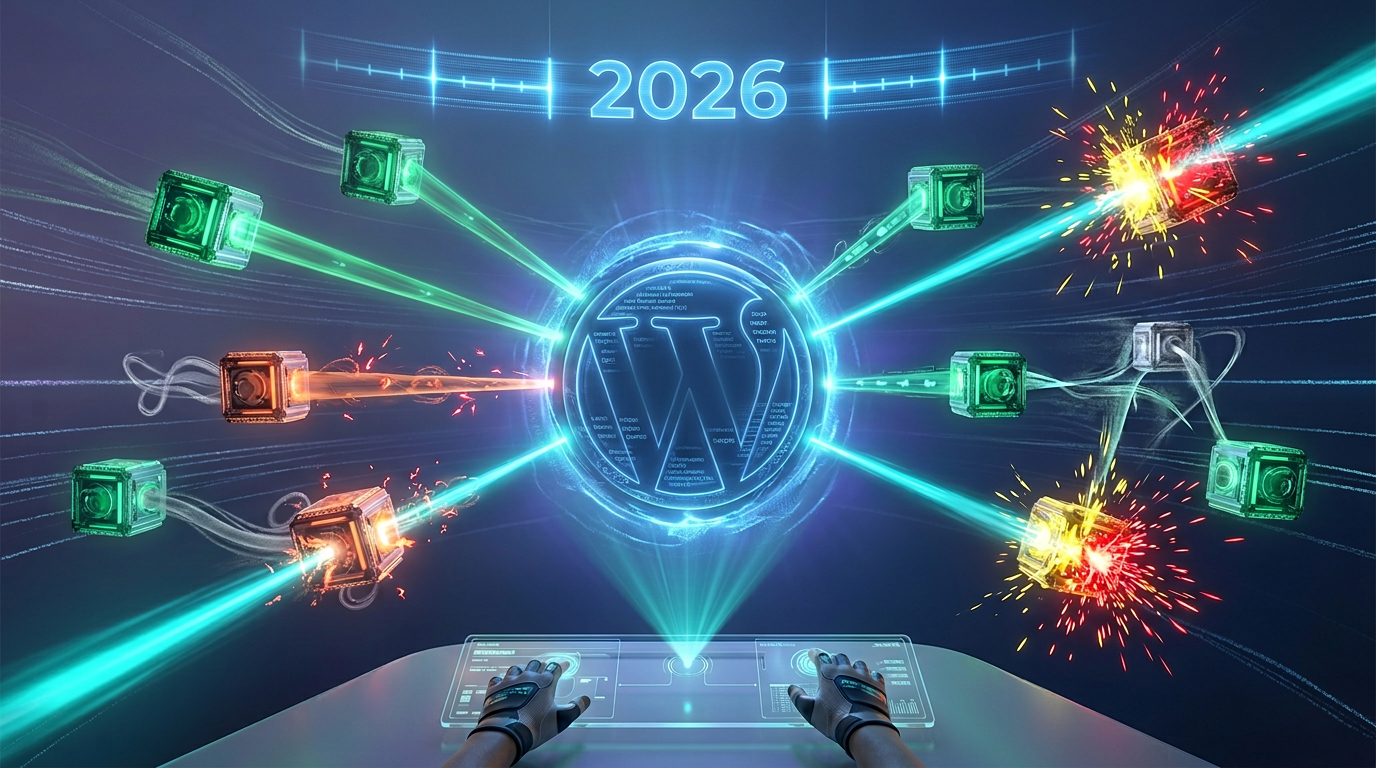
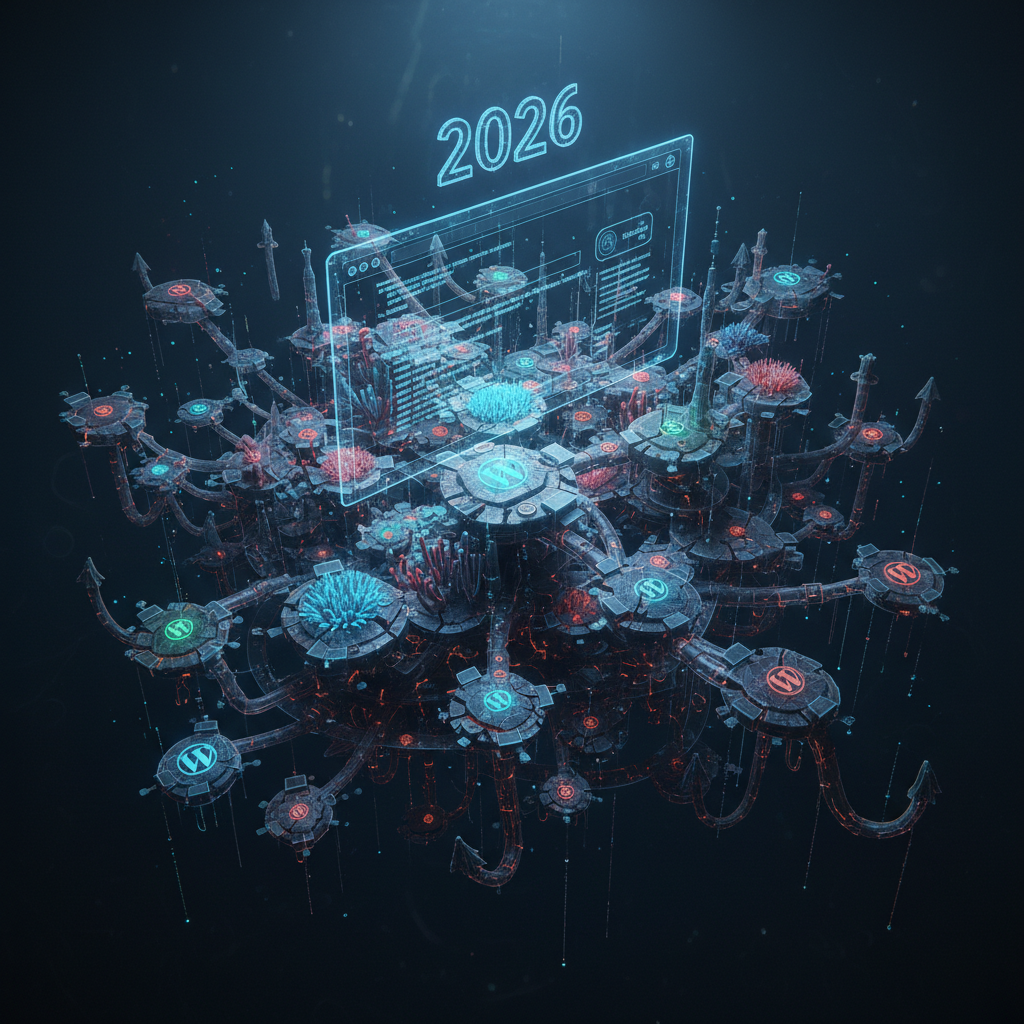
In the evolving digital landscape of 2026, understanding the intricate ballet known as WordPress plugin theme interaction is more crucial than ever for website developers and site owners alike. This dynamic relationship dictates much about a site's functionality, aesthetics, and overall user experience. While themes set the visual foundation, plugins often introduce powerful features that directly influence or even overwrite theme elements. This can lead to a complex interplay that either elevates or hampers a WordPress site's performance and appearance, making a deep understanding of WordPress plugin theme interaction essential.
Understanding the Basics of WordPress Plugin Theme Interaction
At its core, WordPress plugin theme interaction refers to how additional software components (plugins) integrate with and modify the presentation layer (theme) of a WordPress website. This interaction isn't always straightforward. It involves hooks, filters, and sometimes direct modification of the DOM (Document Object Model) by JavaScript, making it a nuanced area of development.
Plugins extend WordPress's core capabilities. They add everything from e-commerce functionalities to advanced SEO tools. Themes, on the other hand, provide the design framework, dictating layouts, styles, and overall visual identity. When these two elements meet, their combined effect can be transformative for any WordPress site. For a deeper dive into how plugins affect user journeys and conversion, explore The Silent Cartographers: Deconstructing How WordPress Plugins Map User Journeys & Impact Conversion in 2026.
The Role of Hooks and Filters in WordPress Plugin Theme Interaction
Hooks and filters are essential for effective WordPress plugin theme interaction. They allow for flexible and non-destructive modifications.
- Actions (Hooks): Plugins use action hooks to execute code at specific points during WordPress's execution cycle or within a theme's template files. This allows plugins to add content, modify data, or trigger functions without directly editing core or theme files.
- Filters: Filters are used by plugins to modify data before it's displayed or saved. For instance, a plugin might filter post content to add new elements, transform image URLs, or alter how comments are formatted. This directly impacts the theme's output.
These mechanisms are fundamental to the non-destructive nature of WordPress development. They allow for extensive customization without altering the underlying code of themes or the WordPress core. However, mismanaged interactions can still lead to issues, even impacting aspects like code quality and maintainability. Understanding these interactions is key to successful WordPress plugin theme interaction.
Priorities and Execution Order in WordPress Plugin Theme Interaction
The order in which plugins and themes execute their actions and filters can significantly affect the final outcome. Developers assign priorities to their hooks. This influences which piece of code runs first when multiple components try to modify the same element. Understanding this priority system is key to debugging unexpected style changes or functional conflicts resulting from WordPress plugin theme interaction. Ensuring hidden dependencies are well-managed is also critical for seamless WordPress plugin theme interaction.
Common Challenges in WordPress Plugin Theme Interaction
Despite the inherent flexibility of WordPress, the interaction between plugins and themes can lead to several common problems in 2026. These challenges often stem from a lack of standardization, developers' varying coding practices, and the sheer volume of available plugins and themes. Addressing these issues proactively is vital for a stable and efficient website. For further reading on plugin best practices, consider insights from the official WordPress Plugin Handbook. Another valuable resource is WPBeginner, offering extensive tutorials on WordPress plugins and themes. Additionally, staying informed about security vulnerabilities is paramount, as discussed by Wordfence. These resources can help navigate the complexities of WordPress plugin theme interaction.
Frequently Asked Questions

Written by Aras Akıncılar
Uzun yıllara dayanan WordPress deneyimine sahip bir siber güvenlik uzmanı olarak, eklenti ekosisteminin derinlemesine analizine odaklanıyorum. Güvenlik açıkları, performans düşüşleri ve uyumluluk sorunları üzerine hazırladığım makalelerle, WordPress kullanıcılarının sitelerini daha güvenli ve verimli hale getirmelerine yardımcı olmayı hedefliyorum.