The Silent Composers: Unmasking WordPress Web Audio API Plugins Orchestrating Immersive Soundscapes in 2026
In the evolving digital landscape of 2026, the ability to create dynamic and engaging user experiences on websites is paramount. Among the most innovative tools for achieving this are WordPress Web Audio API plugins. These powerful extensions leverage the browser's native Web Audio API, enabling developers and content creators to embed rich, interactive, and high-fidelity audio directly into their WordPress sites without relying on external media players or outdated flash components. From producing real-time sound effects to sophisticated music synthesizers and interactive audio walkthroughs, the possibilities are virtually limitless, transforming passive browsing into an immersive sonic journey.
For more insights into how WordPress plugins are pushing the boundaries of web development, consider reading about WordPress Plugins Orchestrating Advanced Haptic Feedback & Multi-Sensory Experiences in 2026, which explores another frontier of user immersion.
Understanding the Power of WordPress Web Audio API Plugins
The Web Audio API itself is a high-level JavaScript API for processing and synthesizing audio in web applications. It provides a powerful and versatile system for controlling audio on the web, allowing developers to manipulate audio streams with extreme precision. When integrated with WordPress through specialized plugins, this power becomes accessible to a much broader audience, enabling diverse applications across various niches.
These plugins bridge the gap between complex audio programming and user-friendly WordPress interfaces. They abstract away the intricate JavaScript, providing shortcodes, custom blocks, or intuitive settings pages that allow site administrators to add sophisticated audio functionalities with ease. This democratizes rich audio content creation, moving it beyond the realm of dedicated programmers.
What is the Web Audio API?
The Web Audio API is a very high-level JavaScript API that directly within the browser processes and synthesizes audio. It grants web applications the ability to generate, process, and analyze audio in real-time. This includes features like spatial audio, complex sound routing, and applying various effects such as reverb, delay, and equalization, all without server-side processing.
Core Functionalities Offered by Plugins
WordPress Web Audio API plugins often provide a range of functionalities. These can include waveform visualization, audio analysis tools, interactive soundboards, background music players with advanced controls, and even the creation of simple in-browser synthesizers or sequencers. The key is their ability to manipulate audio programmatically, offering far more control than standard HTML5 audio tags.
Navigating Functionality and Features in WordPress Web Audio API Plugins
When selecting a plugin, understanding its core functionalities and features is critical. Not all plugins are created equal, and their capabilities can vary significantly. Key areas to consider include ease of integration, the types of audio manipulations offered, and compatibility with other WordPress elements.
Moreover, the quality of the user interface and the availability of clear documentation play a crucial role in a plugin's overall usability. A powerful plugin with a steep learning curve can be just as limiting as a simplistic one that lacks essential features.
Real-time Audio Processing and Effects
Many advanced WordPress Web Audio API plugins offer real-time audio processing. This means visitors can interact with audio elements and hear changes instantly. Examples include interactive equalizers, pitch shifters, or dynamic filter effects applied to uploaded audio files or even microphone input. This opens doors for creative applications in music education, sound design, and interactive storytelling. You can explore how similar real-time capabilities are being utilized in other areas with WordPress Plugins Orchestrating Advanced Physics Engines & Real-time Simulations in 2026.
Integration with WordPress Blocks and Shortcodes
Effective plugins integrate seamlessly with the WordPress ecosystem. This typically means providing dedicated Gutenberg blocks for easy content creation or shortcodes for classic editor users. Such integration ensures that audio elements can be easily embedded, configured, and managed within standard WordPress workflows, saving time and simplifying content authoring.
Interactive Audio Elements and Soundscapes
Beyond simple playback, the best WordPress Web Audio API plugins enable the creation of interactive audio elements and entire soundscapes. Imagine a virtual tour where different areas trigger unique environmental sounds, or an e-learning module where audio cues guide the user through complex concepts. These immersive experiences significantly enhance user engagement and retention.
Potential Risks and Considerations with Web Audio API Plugins
While the benefits of WordPress Web Audio API plugins are undeniable, it's crucial to acknowledge the potential risks and considerations that come with integrating any third-party code into your WordPress website. These can range from security vulnerabilities to performance bottlenecks and compatibility issues.
As with all plugins, due diligence is essential. Regular audits, staying informed about updates, and understanding the plugin's impact on your site's overall health are critical best practices that must be maintained continually throughout 2026 and beyond.
Security Vulnerabilities and Outdated Code
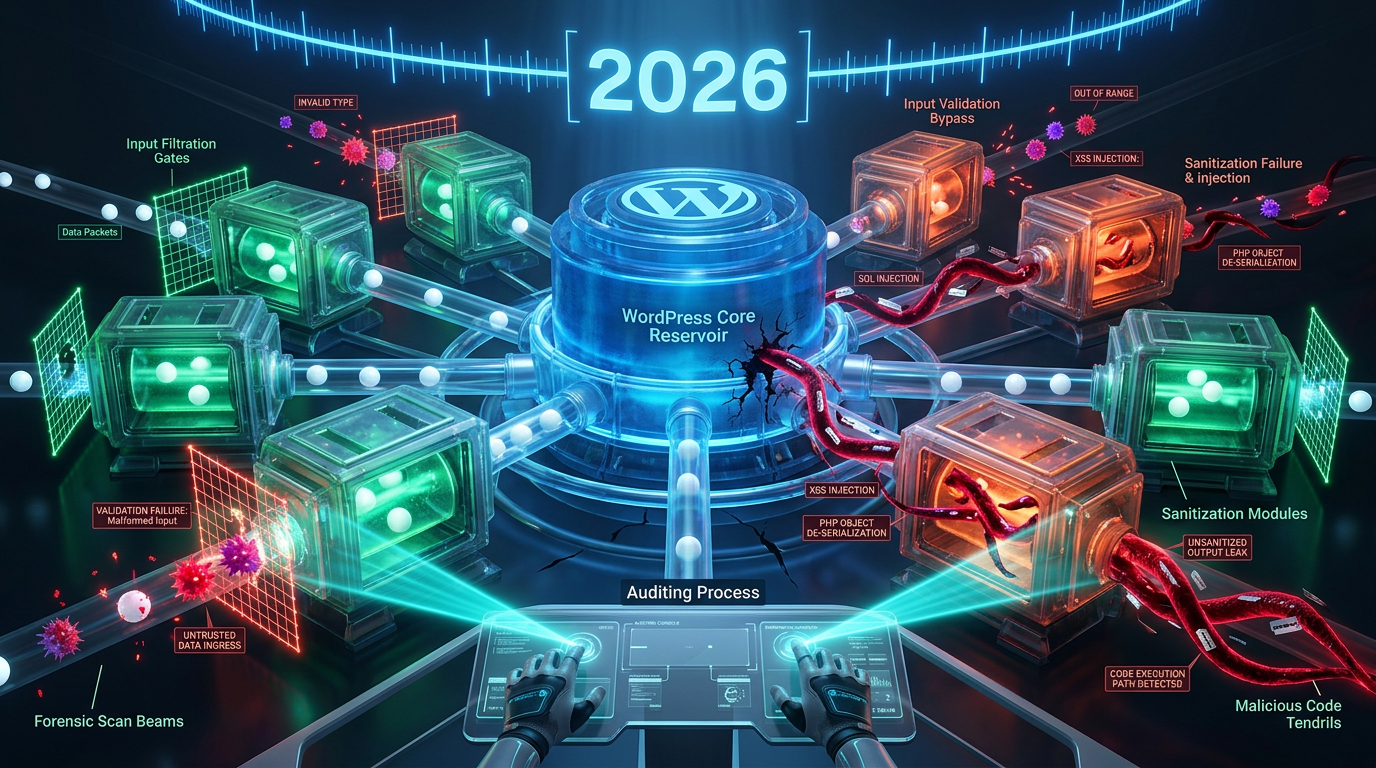
A significant concern with any plugin, particularly those dealing with complex APIs, is the potential for security vulnerabilities. Outdated code, insecure configurations, and improper sanitization of user input can open doors for cross-site scripting (XSS) attacks or other malicious injections. Always opt for plugins that are regularly updated, have a strong security track record, and are actively maintained by their developers. For a deeper dive into security, explore The Silent Augmenters: How WordPress Plugins Are Extending Core Functionality with Multi-Layered Security Sandboxing in 2026.
- Regular Updates: Ensure the plugin has seen recent updates, ideally within the last few months of 2026.
- Developer Reputation: Research the developer's reputation for security and support.
- Code Audit: For critical applications, consider a professional code audit or review community feedback.
Performance Implications
Audio processing, especially real-time manipulation, can be resource-intensive. Poorly optimized WordPress Web Audio API plugins can lead to significant performance issues, slowing down page load times and creating a less fluid user experience. This can negatively impact SEO rankings and user satisfaction. Always test plugins in a staging environment to assess their performance impact before deploying to a live site. For more technical insights, explore how WordPress Plugins Metabolize & Excrete JavaScript Dependencies in 2026.
- Browser Compatibility: Check how well the plugin performs across different browsers and devices.
- Resource Usage: Monitor CPU and memory usage, particularly on complex audio pages.
- Lazy Loading: Implement lazy loading for audio assets where appropriate to improve initial page load.
Compatibility and Third-Party Dependencies
WordPress is a vast ecosystem, and plugins often need to play nicely with other plugins, themes, and server environments. Compatibility issues can arise when a WordPress Web Audio API plugin conflicts with another piece of software, leading to JavaScript errors, broken functionalities, or even a blank white screen. Furthermore, many plugins rely on third-party JavaScript libraries or external APIs, which introduce additional dependencies and potential points of failure or security risks if not managed properly. To see how to navigate third-party resources, refer to MDN Web Audio API documentation for robust guidelines.
Best Practices for Implementing and Securing WordPress Web Audio API Plugins
To harness the full potential of WordPress Web Audio API plugins while mitigating risks, adhering to best practices is essential. This involves careful selection, robust testing, and ongoing maintenance to ensure your immersive audio experiences remain secure, stable, and performant in 2026 and beyond.
Prioritizing security and performance from the outset will save significant time and effort in the long run. A proactive approach to plugin management is always more effective than a reactive one.
Selecting Reliable Plugins
- Check Reviews and Ratings: Look for plugins with high ratings and positive reviews on the WordPress.org repository or reputable marketplaces. This aligns with broader WordPress plugin security recommendations, such as those found on WordPress.org Security Best Practices.
- Active Development: Prioritize plugins that are actively maintained and regularly updated by their developers.
- Support Channels: Ensure the developer offers adequate support, whether through forums, documentation, or direct contact.
- Feature Set vs. Need: Choose a plugin that meets your specific needs without being overly bloated with unnecessary features.
Staging and Testing Before Production
Always test new WordPress Web Audio API plugins in a staging environment before deploying them to your live website. This allows you to identify and resolve any compatibility issues, performance bottlenecks, or unexpected behaviors without affecting your live site's users. Comprehensive testing includes checking functionality across different browsers and devices.
Regular Monitoring and Updates
Once deployed, continuous monitoring is crucial. Keep an eye on your site's performance metrics, security logs, and user feedback. Ensure all WordPress Web Audio API plugins are kept up-to-date with the latest versions. Updates often include security patches, bug fixes, and performance enhancements that are vital for maintaining a healthy and secure website.
Looking Ahead: The Future of Web Audio in WordPress (2026)
As we navigate through 2026, the capabilities of the Web Audio API continue to expand, and with them, the potential of WordPress Web Audio API plugins. We can anticipate more sophisticated integrations, easier development workflows, and even more immersive audio experiences becoming standard practice rather than novelties.
The focus will likely shift towards greater accessibility, AI-driven audio generation, and even more advanced spatial audio implementations. WordPress, as a leading CMS, will undoubtedly remain at the forefront of these innovations, powered by its vibrant plugin ecosystem. For ongoing developments in web standards, regularly consulting resources like the W3C Audio Working Group can provide valuable insights into future trends.
The "silent composers" of the web, these powerful plugins, are setting the stage for a richer, more engaging, and sonically vibrant online experience.
Frequently Asked Questions

Written by Aras Akıncılar
Uzun yıllara dayanan WordPress deneyimine sahip bir siber güvenlik uzmanı olarak, eklenti ekosisteminin derinlemesine analizine odaklanıyorum. Güvenlik açıkları, performans düşüşleri ve uyumluluk sorunları üzerine hazırladığım makalelerle, WordPress kullanıcılarının sitelerini daha güvenli ve verimli hale getirmelerine yardımcı olmayı hedefliyorum.