WordPress Cloud Deployment: Plugins Remold Infrastructure-as-Code in 2026
In the dynamic landscape of 2026, the intersection of content management and cloud infrastructure has become more intricate. Central to this evolution is the concept of WordPress cloud deployment, a methodology leveraging the flexibility and scalability of cloud platforms to host WordPress websites. This article explores how specialized WordPress plugins are silently, yet profoundly, transforming the entire lifecycle of cloud deployment and the principles of Infrastructure-as-Code (IaC), offering both unprecedented opportunities and unique challenges for developers and administrators.
Understanding WordPress Cloud Deployment in 2026
The contemporary approach to WordPress cloud deployment transcends simple hosting. It involves integrating WordPress with robust cloud services like AWS, Google Cloud, and Azure. This utilizes their compute, storage, and networking capabilities. This paradigm shift enables websites to handle massive traffic spikes, ensures high availability, and provides global reach that traditional hosting often struggles to match. For a deeper dive into the broader impact of plugins, consider exploring how WordPress plugins dictate your site's digital carbon footprint in 2026.
Evolution of Cloud Hosting for WordPress
Cloud hosting for WordPress has undergone significant advancements. What was once a complex, manual process of server configuration is now increasingly automated. This is largely thanks to sophisticated plugins and cloud provider tools. These tools effectively abstract away much of the underlying infrastructure complexity. This evolution parallels the sophisticated integration of WordPress plugins with IoT devices for smart sites in 2026.
Key Benefits of Cloud Deployment for WordPress
- Scalability: Easily adjust resources based on demand, preventing downtime during peak traffic.
- Reliability: Distributed architecture minimizes single points of failure.
- Performance: Global Content Delivery Networks (CDNs) and optimized server configurations ensure fast load times.
- Cost-Efficiency: Pay-as-you-go models can be more economical for varying workloads.
Plugins and Infrastructure-as-Code (IaC) for WordPress
Infrastructure-as-Code (IaC) is a cornerstone of modern cloud operations. It allows infrastructure to be managed and provisioned using code rather than manual processes. What’s remarkable in 2026 is how WordPress plugins are increasingly facilitating IaC principles for even non-specialized users, making WordPress cloud deployment more accessible. This mirrors how AI-powered WordPress plugins are leveraging advanced code generation and self-optimization.
Plugins Bridging WordPress and Cloud APIs
A new breed of WordPress plugins acts as a bridge between the WordPress dashboard and cloud provider APIs. These plugins allow administrators to define and provision cloud resources directly from within WordPress. Therefore, they turn infrastructure management into a more familiar task for those without deep DevOps expertise.
- Resource Provisioning: Plugins can initiate the creation of new virtual machines, databases, and storage buckets, enhancing WordPress cloud deployment.
- Configuration Management: Automated configuration of server settings, firewall rules, and security policies.
- Monitoring Integration: Connecting WordPress performance data directly to cloud monitoring dashboards.
Automated Deployment and Updates via Plugins
Beyond initial provisioning, plugins are streamlining continuous deployment and updates for WordPress in the cloud. They enable automated rollouts of code changes, plugin updates, and core WordPress versions. This ensures that sites remain current, secure, and performant without manual intervention, further solidifying the benefits of WordPress cloud deployment.
Security Considerations in WordPress Cloud Deployment
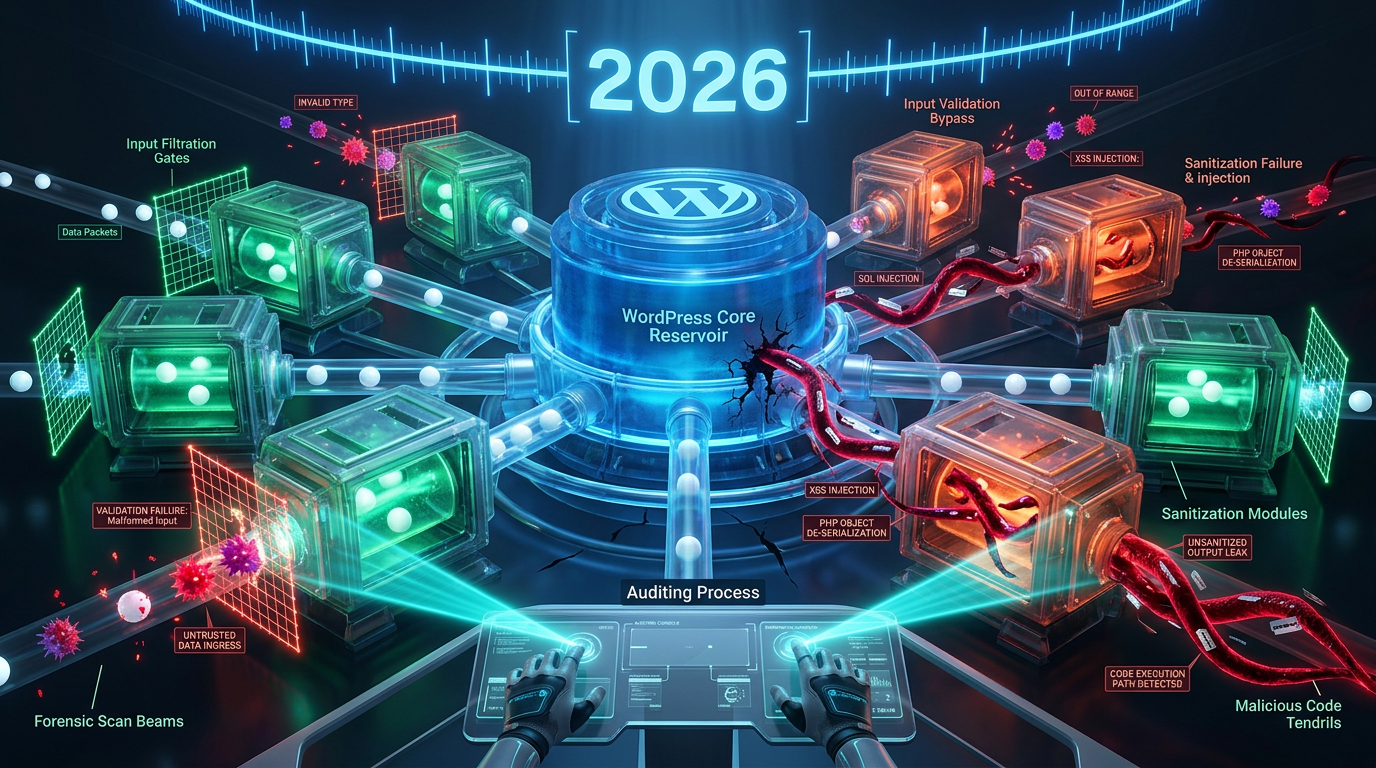
While the benefits of WordPress cloud deployment are compelling, integrating plugins with cloud infrastructure introduces a new layer of security considerations. In 2026, understanding and mitigating these risks is paramount for maintaining a stable and secure online presence. For insights into ensuring the security of your cloud infrastructure, refer to this detailed guide on Google Cloud's infrastructure security practices.
Potential Security Vulnerabilities from Plugins
Plugins, especially those with extensive access to cloud resources, can become critical attack vectors if not properly vetted and maintained. Common vulnerabilities include:
- Outdated Code: Plugins that are no longer updated can contain known exploits, a topic extensively covered when unearthing latent technical debt in WordPress plugins (2026).
- Insecure Configurations: Default settings can expose sensitive information or grant excessive permissions.
- Excessive Permissions: Plugins requesting more access than strictly necessary, potentially opening doors to privilege escalation. This ties into the discussion around digital identity and authentication risks in WordPress plugins.
- Third-Party Dependencies: Vulnerabilities within libraries or services a plugin relies on can compromise the entire system.
Best Practices for Securing Cloud-Deployed WordPress
To counteract these threats, a multi-layered security approach is essential for robust WordPress cloud deployment:
- Vigilant Plugin Selection: Choose plugins from reputable developers with strong security track records and frequent updates.
- Regular Audits: Periodically review plugin permissions and configurations.
- Principle of Least Privilege: Ensure plugins and cloud user roles have only the minimum necessary access.
- Automated Security Scanning: Implement tools to continuously scan for vulnerabilities in both WordPress and the underlying cloud infrastructure. You can find robust solutions from various providers, including detailed information from AWS vulnerability management.
- Strong Access Control: Utilize Multi-Factor Authentication (MFA) for both WordPress and cloud console access.
Performance Optimization and Compatibility Challenges in WordPress Cloud Deployment
Optimizing performance and ensuring compatibility are critical aspects of successful WordPress cloud deployment. The interplay between WordPress, plugins, and cloud services can lead to unique challenges that require careful management in 2026.
Impact of Plugins on Cloud Resource Consumption
Some plugins can be resource-intensive, consuming significant CPU, memory, and database resources. In a cloud environment, this directly translates to higher costs and potential performance bottlenecks. Understanding a plugin's footprint is crucial before deployment.
- Database Queries: Inefficient plugins can overload cloud databases.
- Background Processes: Plugins running intensive background tasks can strain compute resources.
- Network Requests: External API calls made by plugins can introduce latency.
Ensuring Compatibility Across Cloud Environments
While WordPress itself is highly portable, specific configurations and services offered by different cloud providers can affect plugin compatibility. A plugin designed for one cloud environment might not function optimally, or even at all, in another without adjustments.
This necessitates thorough testing in the target cloud environment before going live. Developers are increasingly designing plugins with cloud-agnostic principles in mind, utilizing standard APIs and services to maximize compatibility for seamless WordPress cloud deployment.
The Future of WordPress Cloud Deployment in 2026 and Beyond
Looking ahead, the ecosystem surrounding WordPress cloud deployment is set for continued innovation. We can expect even more sophisticated plugins that abstract complex cloud operations and further integrate AI and automation.
AI-Powered Cloud Management Plugins
The integration of artificial intelligence will likely lead to plugins capable of predictive scaling, anomaly detection, and self-healing infrastructure. These AI-powered tools will further simplify the management of large-scale WordPress installations in the cloud. This trend is closely related to how WordPress plugins are harnessing AI for proactive performance optimization in 2026.
Serverless WordPress Architectures
Serverless computing is gaining traction. Plugins will play a pivotal role in enabling WordPress to run efficiently on serverless platforms. This approach promises even greater scalability and cost-efficiency by eliminating the need to manage servers entirely for WordPress cloud deployment.
Enhanced Developer Tooling and Cloud-Native Integrations
The developer experience for WordPress cloud deployment will continue to improve. Expect more command-line interface (CLI) tools, advanced version control integrations, and direct compatibility with cloud-native development workflows. This will make it easier to build, test, and deploy WordPress sites on any cloud.
In conclusion, WordPress plugins are no longer mere add-ons. They are active agents revolutionizing how we approach cloud deployment and IaC. As we navigate 2026 and gaze into the future, these "silent alchemists" will continue to shape the infrastructure beneath millions of WordPress websites, demanding a keen eye on both innovation and diligence in security and performance for effective WordPress cloud deployment.
Frequently Asked Questions

Written by Aras Akıncılar
Uzun yıllara dayanan WordPress deneyimine sahip bir siber güvenlik uzmanı olarak, eklenti ekosisteminin derinlemesine analizine odaklanıyorum. Güvenlik açıkları, performans düşüşleri ve uyumluluk sorunları üzerine hazırladığım makalelerle, WordPress kullanıcılarının sitelerini daha güvenli ve verimli hale getirmelerine yardımcı olmayı hedefliyorum.