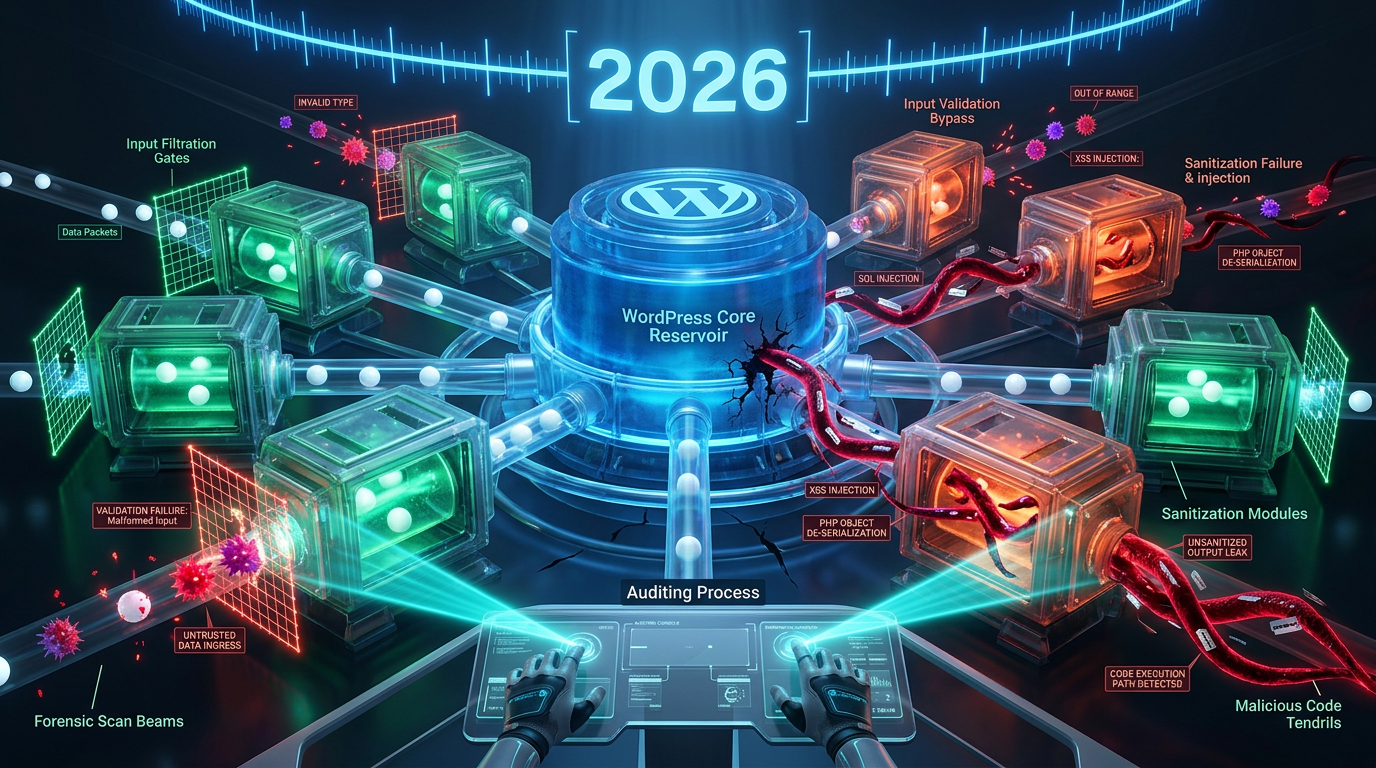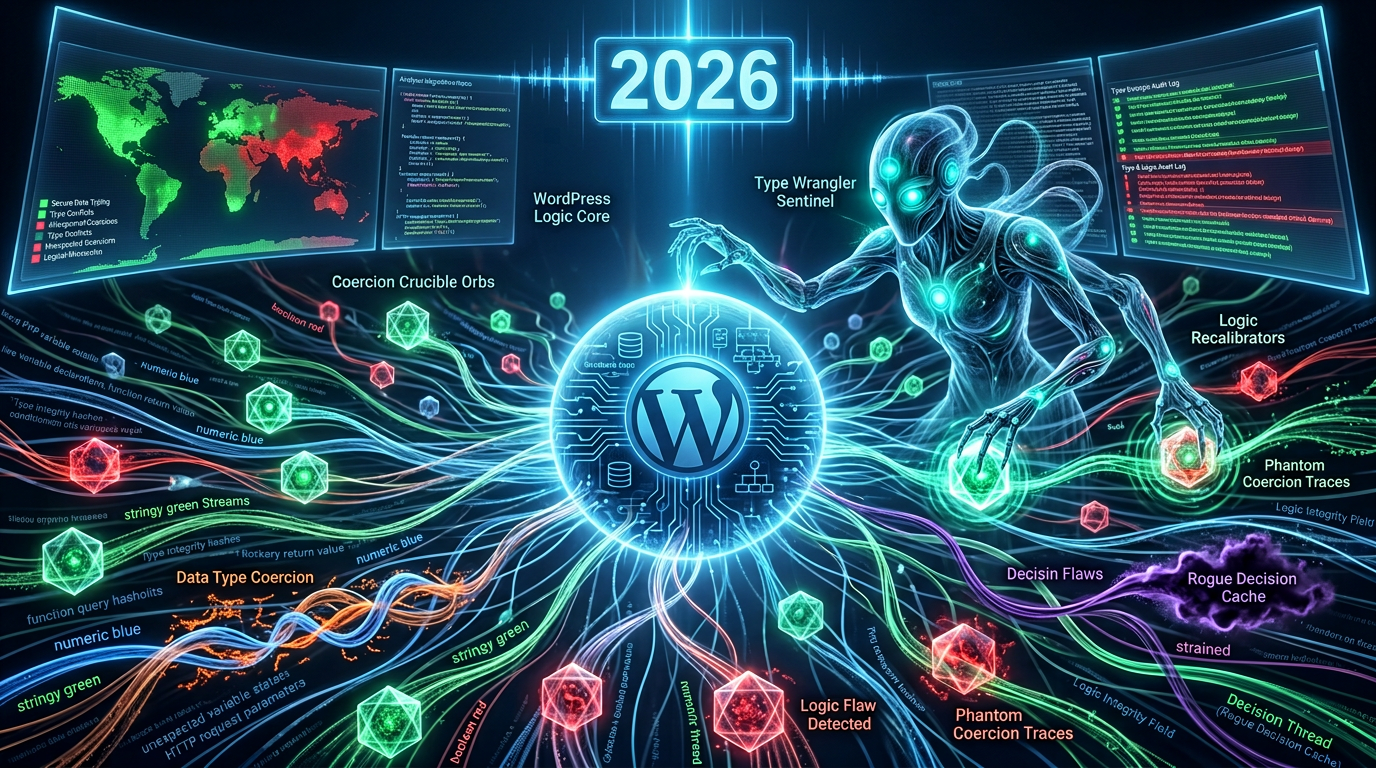
The Silent Archaeologists: Uncovering WordPress Relict Code & Zombie Functions in Plugins (2026)
In the ever-evolving landscape of WordPress development, the challenge of maintaining clean, efficient, and secure code is paramount. One often overlooked yet significant issue is the presence of WordPress relict code – remnants of past functionality, sometimes referred to as 'zombie functions,' that persist within plugins long after their intended purpose has expired. As we move through 2026, understanding and addressing these digital artifacts is crucial for optimizing performance, enhancing security, and ensuring compatibility across the vast WordPress ecosystem. This guide will delve into what WordPress relict code is, its dangers, and how to effectively manage it.
For a deeper dive into how plugin code can affect your site's core infrastructure, consider reading about The Silent Bioreactors: How WordPress Plugins Metabolize & Excrete Server Configurations in 2026.
What Exactly is WordPress Relict Code?
WordPress relict code refers to segments of programming instructions, variables, or entire functions that remain embedded within a plugin's codebase but are no longer actively used or called by any current part of the application. This can occur for several reasons:
- Features that were developed and then abandoned.
- Code written for legacy WordPress versions or PHP environments that are no longer supported.
- Experiments or temporary solutions that were never fully removed.
- Development practices where old code is commented out rather than deleted.
These silent observers don't typically break a site outright, but their presence can lead to a multitude of issues that subtly degrade the user experience and site health. Identifying and removing this obsolete WordPress relict code is akin to digital archaeology. To understand how code affects other aspects, explore The Silent Curators: How WordPress Plugins Dictate Data Lineage & Provenance in 2026.
The Genesis of Zombie Functions
Zombie functions, a colorful term for relict code, often arise during rapid development cycles or when a plugin undergoes multiple iterations of feature additions and removals. Developers might comment out sections of code believing they might be needed later, or simply forget to remove them after a refactor. Over time, these accumulate, forming a digital graveyard within the plugin.
Distinguishing Relict Code from Necessary Legacy Support
It's important to differentiate genuine WordPress relict code from code that, while older, still serves a purpose for backward compatibility. Some plugins must support a range of WordPress core versions or PHP versions. Such code, even if not used by all installations, is not "relict" if it's intentionally maintained for wider audience support. True relict code is unused by any viable execution path.
The Hidden Dangers Posed by WordPress Relict Code
While often benign on the surface, the continued existence of WordPress relict code can introduce numerous problems for site owners and developers alike. These issues range from performance bottlenecks to significant security vulnerabilities.
Performance Degradation
Every line of code, whether active or not, contributes to the overall file size of a plugin. Larger file sizes mean:
- Longer download times during plugin installation or updates.
- Increased memory footprint when the plugin's files are loaded, even if the relict code isn't executed.
- Slower parsing by the PHP interpreter, as it still has to process these unused sections during setup.
Over time, a cumulative effect from multiple plugins laden with WordPress relict code can noticeably impact a website's loading speed and server resource utilization, which is especially critical in 2026 with increased expectations for real-time performance. This directly influences your site's digital footprint and environmental impact.
Security Vulnerabilities Lurking in the Shadows
This is arguably the most critical risk. Old code, particularly code written for outdated PHP versions or WordPress APIs, is a prime target for exploitation. Such WordPress relict code can contain:
- Outdated security practices or functions that are now known to be insecure.
- Unpatched vulnerabilities from previous versions that were never removed.
- Backdoors or debugging code left in by mistake, providing an entry point for attackers.
Even if the relict code isn't directly called by the plugin's main functionality, an attacker skilled in probing for obscure entry points could potentially trigger it, leading to cross-site scripting (XSS), SQL injection, or even complete site compromise. This is a significant concern for any WordPress site owner. For more on securing your site, review The Silent Cryptographers: Unmasking WordPress Plugins and Next-Gen Encryption in 2026, and consider the potential risks highlighted in The Silent Conductors: How WordPress Plugins Dictate Browser Fingerprinting & Privacy Risks in 2026.
Compatibility Nightmares and Maintenance Headaches
WordPress relict code can also lead to unforeseen compatibility issues. It might:
- Conflict with newer WordPress core functions that share similar names.
- Utilize deprecated PHP functions that throw warnings or errors in modern PHP environments (e.g., PHP 8.x, which is standard in 2026).
- Introduce unexpected side effects when other plugins or themes try to hook into its (now defunct) functionality.
For developers, maintaining a plugin riddled with relict code becomes a nightmare. It's harder to debug, harder to update, and increases the cognitive load of understanding what code is current and what is obsolete. This slows down future development and makes bug fixing more complex.
Strategies for Identifying and Eliminating WordPress Relict Code
Addressing WordPress relict code requires a proactive approach from both plugin developers and site administrators. Here are some effective strategies:
For Plugin Developers: Best Practices
Developers hold the primary responsibility for clean code. Best practices include:
- Regular Code Audits: Periodically review the entire codebase to identify unused functions, variables, and files.
- Version Control Discipline: Use tools like Git diligently. Feature branches should be properly merged and obsolete code removed, not just commented out.
- Automated Testing: Implement a robust suite of unit and integration tests. If a part of the code isn't being tested, it's a good candidate for being relict.
- Code Linting and Static Analysis: Tools such as PHPStan or Phan can identify dead code paths and potential unreachable code, helping to find WordPress relict code.
- Deprecation Notices: When deprecating a feature or function, clearly mark it in the code and provide a transition period before complete removal.
For WordPress Site Administrators: Vigilance and Tools
While developers are key, site administrators also play a role:
- Choose Reputable Plugins: Prioritize plugins from established developers with good support and frequent updates. This often indicates a commitment to cleaner code.
- Regular Plugin Updates: Always keep plugins updated. Reputable developers often remove relict code in new releases as part of their maintenance cycle.
- Performance Monitoring Tools: Use tools that monitor PHP memory usage and execution times. Spikes could indicate inefficient code, potentially including relict code. Some excellent options are available, such as New Relic's APM solutions, which provide deep visibility into application performance.
- Security Scanners: Utilize WordPress security plugins that scan for known vulnerabilities. While not specifically for relict code, they can flag deprecated functions that are often part of relict code. Services like Sucuri offer comprehensive website security platforms.
- Manual Inspection (if comfortable): For critical plugins, a developer might perform a manual code review, though this is often an advanced step.
The Future of Clean Code: Minimizing WordPress Relict Code in 2026 and Beyond
As the WordPress ecosystem matures, the focus on code quality, security, and performance intensifies. The presence of WordPress relict code is a legacy issue that needs systematic eradication. In 2026, with WordPress core advancing rapidly and PHP versions pushing boundaries, keeping plugin code lean and purposeful is more critical than ever.
The movement towards block-based development and the increasing adoption of frameworks within plugins also present opportunities to manage code more efficiently, reducing the likelihood of relict code accumulation. Modern development practices emphasize modularity and dependency management, which inherently discourage the lingering of unused functions. The broader implications of advanced architectural patterns are discussed in The Silent Conductors: How WordPress Plugins Dictate Your Site's Digital Twin and Real-Time Simulation Architecture in 2026.
By understanding what WordPress relict code is, the risks it poses, and how to identify and remove it, both developers and site owners can contribute to a healthier, faster, and more secure WordPress environment. This constant archaeological effort ensures that our digital foundations remain strong and free of hidden vulnerabilities, paving the way for a more robust web experience.
The Role of Community and Education
The WordPress community plays a vital role in sharing knowledge about best coding practices. Tutorials, forum discussions, and open-source contributions that highlight effective code maintenance help raise awareness about issues like relict code. Educational initiatives for new plugin developers emphasizing clean code principles from the outset will undoubtedly reduce this problem over time. Resources like the WordPress Developer Handbook are invaluable for this purpose.
The Shift Towards Automated Tools
We can expect more sophisticated automated tools to emerge in 2026 and beyond, specifically designed to detect WordPress relict code. These tools, integrated into CI/CD pipelines, will automatically flag or even suggest removal of code segments that haven't been accessed or called within a certain timeframe, making the identification process more efficient and less prone to human error.
Conclusion: Tackling WordPress Relict Code for a Better Future
The ongoing battle against WordPress relict code is essential for the health and longevity of the WordPress ecosystem. By prioritizing clean code, implementing robust development practices, and utilizing advanced tools, we can ensure that WordPress sites remain performant, secure, and maintainable for years to come. Eliminating these digital artifacts is not just about tidiness; it's about building a more resilient web.
Frequently Asked Questions

Written by Aras Akıncılar
Uzun yıllara dayanan WordPress deneyimine sahip bir siber güvenlik uzmanı olarak, eklenti ekosisteminin derinlemesine analizine odaklanıyorum. Güvenlik açıkları, performans düşüşleri ve uyumluluk sorunları üzerine hazırladığım makalelerle, WordPress kullanıcılarının sitelerini daha güvenli ve verimli hale getirmelerine yardımcı olmayı hedefliyorum.