AI WordPress Plugin Anomalies: Unmasking Unexpected Behavior
In the dynamic landscape of web development, Artificial Intelligence (AI) has become an indispensable tool, seamlessly integrating into various platforms, including WordPress. However, this transformative technology, while powerful, is not without its quirks. This article delves deep into the often-overlooked phenomenon of AI WordPress plugin anomalies, exploring the unexpected behaviors, technical glitches, and security risks inherent in these intelligent tools. As we navigate 2026, understanding these anomalies is critical for maintaining secure, stable, and high-performing WordPress websites. For related insights, consider reading our analysis on The Quantum of Trust: Auditing Cryptographic Security in WordPress Plugins for 2026.
Understanding AI WordPress Plugin Anomalies: The Unforeseen Challenges in 2026
AI plugins for WordPress promise revolutionary capabilities, from automated content generation and SEO optimization to advanced analytics and enhanced user experience. Yet, beneath this veneer of efficiency, lie potential pitfalls. Anomalies can manifest in subtle ways, impacting site performance, data integrity, and even security. Identifying these issues early is key to mitigating their impact.
The complexity of AI algorithms, coupled with the varied and often unpredictable WordPress ecosystem, creates a fertile ground for unexpected behavior. These anomalies are not always "bugs" in the traditional sense, but rather unpredictable outcomes arising from the intricate interplay of AI logic, third-party integrations, and site-specific configurations. For a broader perspective on plugin management, see The Silent Battle: Unmasking WordPress Plugin Overlap and Redundancy in 2026.
Common Manifestations of Anomalous AI Plugin Behavior
- Performance Degradation: AI processing can be resource-intensive, leading to slow loading times or server strain. You can learn more about this in The Silent Sabotage: Unmasking CPU Hogs and Memory Leaks in WordPress Plugins (2026).
- Content Irregularities: Automated content generation might produce irrelevant, repetitive, or even misleading text.
- SEO Misconfigurations: AI optimizers could inadvertently apply incorrect meta tags or schema, hurting search rankings.
- Data Discrepancies: Analytics or e-commerce AI might misinterpret data, leading to incorrect reports or pricing.
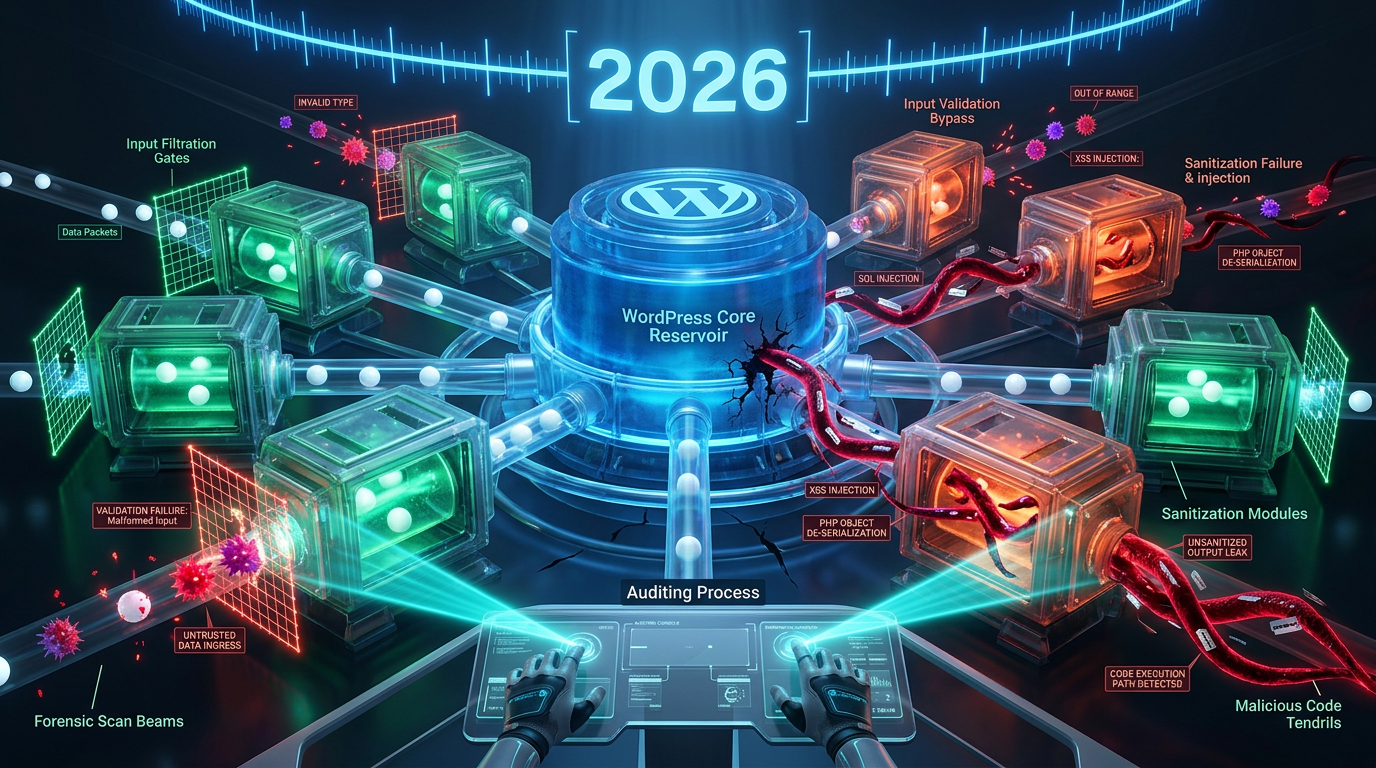
- Security Vulnerabilities: Flaws in AI model integration or data handling can expose sensitive information.
Identifying and Diagnosing AI WordPress Plugin Anomalies
Detecting anomalous behavior requires a proactive and systematic approach. It's not always evident through simple observation, particularly with AI that operates in the background. Site administrators need to go beyond basic testing and implement comprehensive monitoring strategies designed to catch the subtle shifts that indicate a problem.
The ever-evolving nature of AI means that even plugins that worked flawlessly yesterday might develop issues tomorrow, especially after updates to WordPress core, other plugins, or the AI models themselves. Regular audits Future-Proofing Your WordPress: Essential Plugin Auditing Strategies for 2026 and a keen eye for unusual trends are paramount.
Tools and Techniques for Anomaly Detection
Several tools and practices can help in diagnosing these perplexing AI WordPress plugin anomalies:
- Performance Monitoring Tools: Solutions like New Relic, GTmetrix, or even built-in WordPress health checks can flag sudden drops in site speed or increased server load.
- Log Analysis: WordPress debug logs and server error logs often contain clues about plugin conflicts or resource exhaustion related to AI processes.
- Content Audits: Regularly reviewing AI-generated content for quality, relevance, and originality is crucial.
- Security Scanners: Tools like Sucuri or Wordfence can help identify potential vulnerabilities introduced or exacerbated by AI plugins.
- AB Testing: Comparing the performance of pages with and without specific AI features can help isolate problems.
Security Implications of AI WordPress Plugin Anomalies in 2026
While performance and functional issues are problematic, the security vulnerabilities stemming from AI WordPress plugin anomalies are arguably the most critical. As AI plugins process and interact with vast amounts of data, any flaw can become a gateway for malicious actors. In 2026, with the sophistication of cyber threats constantly increasing, unsecured AI logic is a significant concern. For details on related risks, explore The Silent Battleground: Unmasking Digital Supply Chain Risks in WordPress Plugins for 2026.
Outdated code, insecure configurations, and excessive permissions granted to AI plugins are common vectors for attack. Furthermore, the reliance on third-party AI models or APIs introduces an additional layer of dependency and potential risk, making the security posture of these plugins a complex mesh of interconnected components. These issues are especially relevant given the rise of sophisticated attacks on web applications, as highlighted by resources like the OWASP Top 10.
Preventing Security Risks Posed by AI Anomalies
- Regular Updates: Always keep AI plugins, WordPress core, and other plugins updated to their latest versions.
- Vendor Due Diligence: Choose AI plugins from reputable developers with a strong track record of security and support.
- Least Privilege Principle: Ensure AI plugins only have the necessary permissions to function, nothing more. Read about The Overlooked Gatekeepers: Unmasking Excessive Permissions in WordPress Plugins (2026) for more context.
- Strong Access Controls: Implement robust authentication for any AI-related dashboards or APIs.
- Security Audits: Periodically conduct security audits specifically focusing on AI plugin integrations and data handling.
Best Practices for Mitigating AI WordPress Plugin Anomalies
Effective management of AI plugins requires a blend of vigilance, strategic planning, and adherence to best practices. Proactive measures can prevent many anomalies from ever occurring, while established protocols ensure rapid response when unexpected behavior does arise. The goal is to harness the power of AI without succumbing to its potential drawbacks.
Ultimately, a deep understanding of how AI integrates into WordPress – from its resource demands to its data interactions – is fundamental. By staying informed and adopting a cautious yet experimental approach, website owners can leverage AI effectively while minimizing the risks associated with AI WordPress plugin anomalies. The WordPress developer community, often engaging on platforms like WordPress.org Support Forums, is a valuable resource for identifying emerging issues and solutions.
Strategic Approaches for Stable AI Implementation
- Staging Environment Testing: Always test new AI plugins and updates in a staging environment before deploying to live.
- Monitor Resource Usage: Keep a close eye on CPU, memory, and database usage after installing or updating AI plugins.
- Backup Regularly: Maintain frequent, reliable backups of your entire WordPress site.
- Educate Your Team: Ensure anyone managing the WordPress site understands the basics of AI plugin functionality and potential risks.
- Review Plugin Documentation: Thoroughly read and understand the documentation for each AI plugin, paying attention to known issues and best practices.
- Seek Expert Help: For complex or persistent anomalies, don't hesitate to consult with WordPress developers or AI specialists. External resources like Smashing Magazine's WordPress section often feature expert advice on plugin management.
The Future of AI WordPress Plugin Anomalies in 2026 and Beyond
As AI technology continues its rapid evolution, so too will the nature of anomalies we encounter in WordPress plugins. We can expect even more sophisticated AI models, potentially leading to subtler and harder-to-diagnose issues. Edge cases, where AI encounters highly unusual data or user interactions, will become more frequent. The challenge for developers will be to build more resilient and explainable AI, while for users, it will be to adapt their monitoring and maintenance strategies.
The push towards greater transparency in AI (explainable AI – XAI) will hopefully provide better insights into why an AI plugin behaves unexpectedly, making diagnosis and resolution of AI WordPress plugin anomalies more straightforward. However, until then, a robust framework of vigilance and proactive management remains our best defense against the "ghosts" in the AI machine operating within our WordPress sites.
Frequently Asked Questions

Written by Aras Akıncılar
Uzun yıllara dayanan WordPress deneyimine sahip bir siber güvenlik uzmanı olarak, eklenti ekosisteminin derinlemesine analizine odaklanıyorum. Güvenlik açıkları, performans düşüşleri ve uyumluluk sorunları üzerine hazırladığım makalelerle, WordPress kullanıcılarının sitelerini daha güvenli ve verimli hale getirmelerine yardımcı olmayı hedefliyorum.